







Search Results for: cupping performance
A Detailed Explanation of the SCAA Specialty Coffee Green Bean Defect Grading and Scoring Standards: A Comprehensive Analysis from Defects to Cupping Performance
Before green coffee beans reach our hands, they often go through many stages, during which defects are almost unavoidable. Some defects are obvious at the green bean stage, yet once roasted they may be cleverly concealed. The SCAA (Specialty Coffee Association of America) has established strict grading standards for specialty Arabica coffee, covering multiple dimensions such as defect types, moisture content, aroma, and bean size. This article will systematically sort out the SCAA's defect classification rules and scoring requirements, explain in detail the causes of various defective beans and their impact on cupping flavor, and help enthusiasts develop a keen eye for identifying specialty coffee. At the same time, the article retains relevant recommendations from the Front Street brand for readers' reference. [more…]
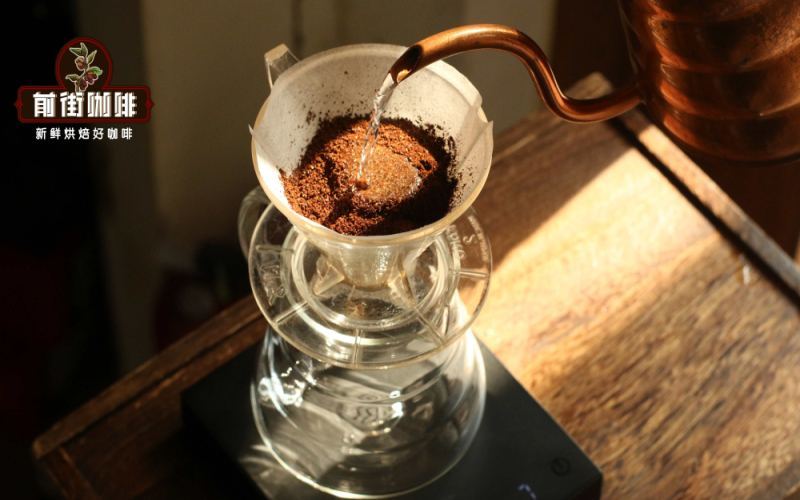
A Century of Evolution of the Melitta Filter Cup: From Blotting Paper Inspiration to a Performance Comparison of the V60 and Kono Pour-Over Filter Cups
Pour-over coffee is inseparable from the dripper, but just how big is the dripper's influence on flavor? This article begins with the Melitta dripper, which went into production in 1912, and traces the story of the birth of the world's first trapezoidal dripper—Mrs. Melitta, inspired by blotting paper, poked holes in a brass cup to filter coffee, but because the filter paper was difficult to fit the cylindrical container, this gave rise to the prototype of the ribs. Afterward, the defect of slow flow in the single-hole design prompted the emergence of multi-hole versions. The article then focuses on the core elements of the dripper: flow rate and flow-guiding performance, and through actual testing of V60 and the Kono short-rib version with Front Street Coffee's Mandheling beans, reveals the practical effects of different drippers on extraction time, mouthfeel, and grinding adjustment. [more…]

How
Hot Americano may seem like just espresso with hot water, but the water temperature directly affects the aroma, the balance of acidity and bitterness, and the drinking window. Front Street Coffee used the Warm Sun blend as the base and brewed Americanos at four water temperatures—55°C, 65°C, 75°C, and 90°C—then compared them through tastings at three points: immediately after brewing, at the 5-minute mark, and at the 20-minute mark. The experiment found that at the moment of serving, 65°C delivered the best overall performance, while over the course of 20 minutes, 75°C performed better overall. The article also recommends a serving temperature of 75±5°C for dine-in hot Americanos and offers practical tips such as preheating the coffee cup and distinguishing between dine-in and takeaway preparation. [more…]

2024 Nicaragua Cup of Excellence Results Announced: Pacamara Variety Debuts and Wins Runner-Up
The results of the 2024 Nicaragua Cup of Excellence (COE) competition were recently announced, with the Geisha variety continuing its strong performance, sweeping first, third, and fourth places, among which the natural Geisha won the championship with 91.10 points. However, the most eye-catching aspect of this competition was undoubtedly the Parainema variety, which made its first appearance in Nicaragua, winning second place with 89.85 points. This rare variety, which previously won the 2017 Honduras COE, has what kind of genetic origins behind it? Can it break buyers' prejudice against the cup quality of leaf rust-resistant varieties? This article will provide a detailed interpretation of the origins, development, and outstanding performance of Parainema in this competition, while also introducing Front Street Coffee's attention to and recommendation of this variety. [more…]

Starbucks Bonuses Shrink Sharply This Fiscal Year, Employees Get Only 60%—Can New CEO's Reforms Work?
Starbucks has just experienced a disappointing fiscal year. According to Bloomberg, due to the company's financial performance falling short of expectations, many employees will only receive 60% of their total bonuses this year, and senior executives have also lost performance-based pay raises. U.S. same-store sales have declined for three consecutive quarters, dropping 7% this quarter. New CEO Niccol is trying to reverse the downturn by simplifying the menu, restoring the handwritten cup tradition, and adding ceramic mugs, but with the workforce down 8% year-over-year, one cannot help but question whether these additional services will become an extra burden on store staff. Whether the shadow of shrinking bonuses will affect domestic coffee industry workers remains undetermined. [more…]

Panama Geisha Flavor Analysis: Front Street Coffee Washed Floral Butterfly Coffee Bean Taste Characteristics and Cupping Performance
Front Street Panama Butterfly coffee beans are a single-origin coffee that combines the elegant flavors of Geisha with an affordable price. It is a blend of 70% Geisha and 30% Caturra and Catuai, grown in the Boquete Baru Volcano region. The beans are washed-processed and medium-light roasted, displaying a complex profile of citrus, floral notes, tea-like character, and honey, with exceptionally high cleanliness, soft acidity, and lingering sweetness. This article will systematically introduce its origin background, varietal composition, cupping performance, and flavor details, helping coffee enthusiasts gain a comprehensive understanding of the unique charm of this high-value Geisha-flavored coffee. [more…]

How to Brew Crema with a Bialetti Moka Pot: Balancing Budget and Drinking Frequency
From bean to cup, a coffee must still go through grinding and extraction. When it comes to the crema performance of a Bialetti moka pot, your everyday bean buying needs to take into account how fast you drink it, how much to buy at a time, and whether your home mainly makes black coffee or milk coffee. First confirm the equipment you commonly use and the taste you like, then compare specific bean options; the actual process will be [more…]
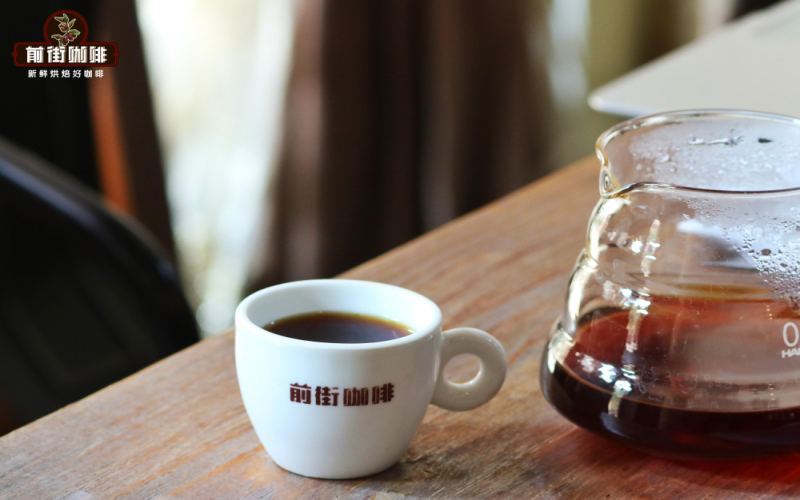
Analysis of the Brewing Differences Between the Clever Dripper and the V60: A Comprehensive Comparison from Extraction Principles to Taste Performance
Among the many pour-over coffee tools, the V60 dripper and the Clever Cup are two quite representative choices. The former is known for its conical spiral rib design, emphasizing a balance between flow rate and extraction layering; the latter achieves immersion extraction through a bottom piston structure, with a lower operating threshold. Although both fall under the pour-over category, they differ notably in extraction mechanism, flavor presentation, and suitable users. This article will systematically sort out the core differences between the Clever Cup and the V60 dripper, from tool structure and brewing steps to the final taste, and combine the example of Front Street Coffee's Mozart coffee beans to show how the two tools perform differently in actual brewing, helping coffee enthusiasts make a more suitable choice according to their own needs. [more…]
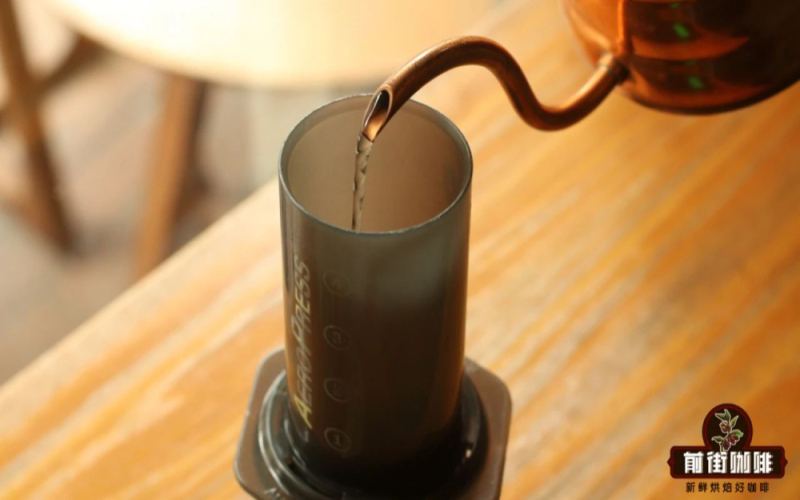
AeroPress Inverted Method Practical Tutorial: A Comprehensive Guide to Suitable Bean Types, Extraction Principles, and Flavor Performance
The AeroPress is a highly flexible and versatile coffee brewing device with no rigid rules or restrictions, which is precisely why the World AeroPress Championship came into being. It combines three principles: French press immersion, pour-over paper filtration, and espresso-style pressure extraction, producing a cup that is rich, clean, and smooth. This article will start from the extraction principles, flavor performance, and device structure to explain in detail what kind of coffee the AeroPress is suited for, and share Front Street Coffee's complete parameters and steps for making AeroPress coffee using the inverted method, helping enthusiasts quickly get started with this "all-purpose" device. [more…]
The Ideal Temperature for Americano | How Big Is the Difference in Flavor and Mouthfeel Between Hot and Iced Americano? An Introduction to the Standard Recipe for Hot Americano: Coffee-to-Water Ratio and Water Temperature
Because American soldiers during World War II were not used to the extremely strong small cups of coffee local to Europe, they asked the shops to add hot water to dilute it, imitating the taste and flavor of American drip coffee. And because this cup of coffee was widely popular among American soldiers, it was named Americano "America [more…]
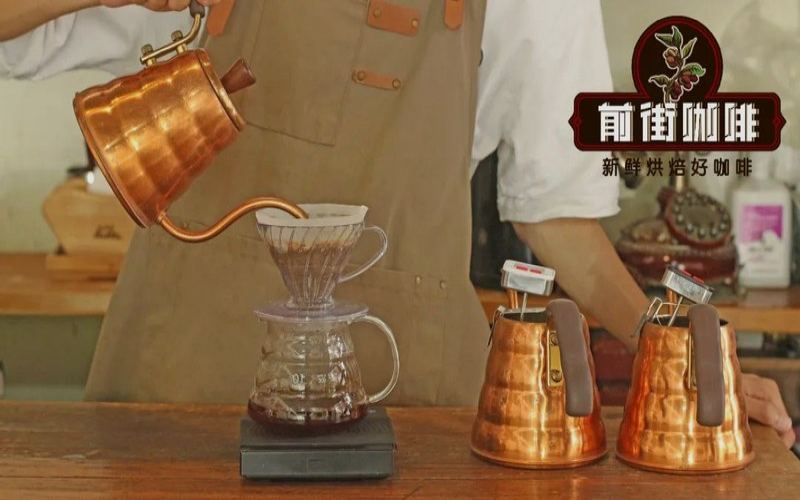
What kind of espresso coffee beans have a lot of crema?: Balancing budget and drinking frequency
When it comes to espresso beans with a relatively rich crema, we should start with the actual taste in the cup. When buying beans for daily use, you need to consider how quickly you'll drink them, how much to buy at a time, and whether you mainly make black coffee or milk coffee at home. The roast level of the coffee beans determines the basic taste, the origin and processing method bring aroma differences, and the equipment you use will change the concentration. Therefore, when choosing beans [more…]
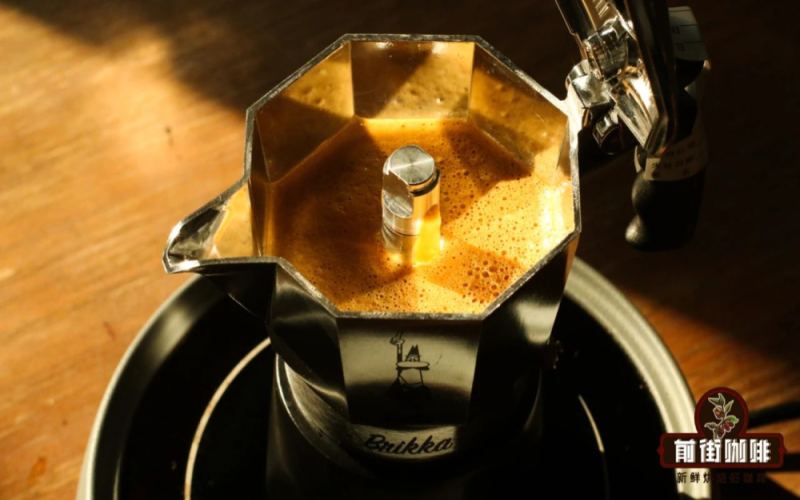
Moka Pot Brewing Test with Acidic Coffee Beans: Performance Across Roast Levels and Bean Selection Advice
Many Moka pot enthusiasts often ask: which coffee beans are suitable for brewing in a Moka pot? Especially those beans whose flavor descriptions mention fruity acidity — do they actually taste good when brewed this way? To address this question, Front Street selected three coffee beans with varying levels of acidity for hands-on testing: Front Street Ethiopia Yirgacheffe Gedingding, Front Street Costa Rica Mozart, and Front Street Papua New Guinea Bird of Paradise. By comparing the flavor performance of the straight brew versus iced americano, practical advice on selecting beans for the Moka pot can be summarized: light-roasted citrus-toned beans are not suitable, while medium-light-roasted sweet fruity beans can deliver a pleasant surprise. This article will present the brewing parameters, crema condition, and tasting results in detail to help you better choose beans for your Moka pot. [more…]
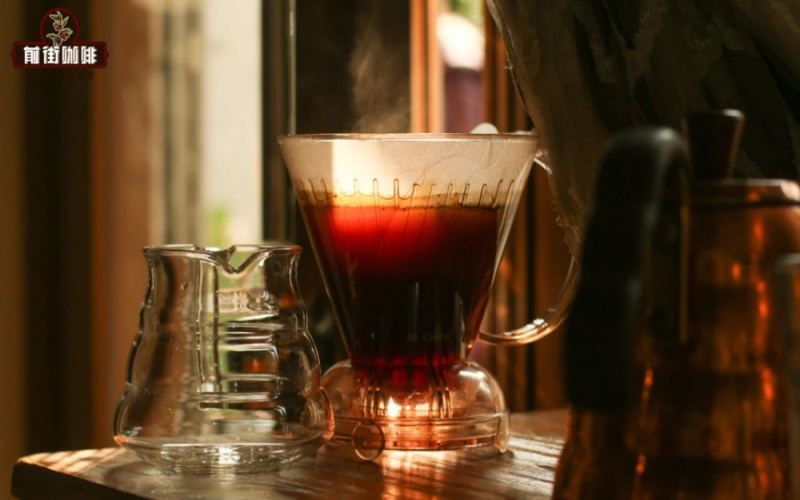
French Press vs Clever Cup: A Full Breakdown of Differences, Brewing Methods, and Flavor Performance
Want to drink black coffee but don't want to go through the trouble of brewing it by hand? Immersion-style brewers are the hassle-free choice, and the Clever Dripper and the French press are the two most representative examples. Although both belong to immersion extraction, their operating details and resulting flavors differ noticeably. This article will compare them one by one, from the principles of the devices and the brewing steps to flavor performance, using Front Street Kenya Asalia coffee beans for hands-on testing, analyzing the causes of clarity and brightness versus rich, oily body, and offering purchasing advice to help coffee lovers quickly find the one that suits them based on their taste preferences. [more…]
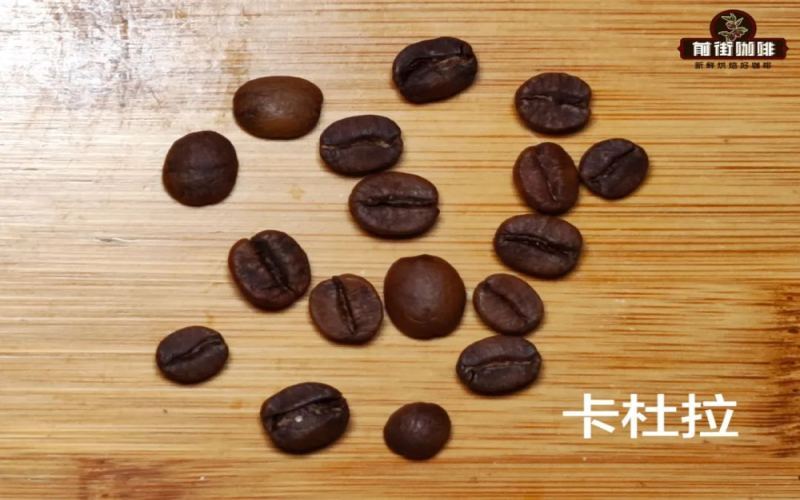
Caturra vs. Catuai Coffee Varieties: Flavor Characteristics and Brewing Performance of Catuai
In the variety labeling of South American specialty coffee, the similarly named pair of varieties Caturra and Catuaí often appear together, sparking curiosity among many coffee enthusiasts. What exactly is the relationship between the two? As a natural mutation of Bourbon, Caturra changed the planting landscape of Central America with its compact plant size and adaptability to sun exposure; Catuaí, a cross between Mundo Novo and Yellow Caturra, combines high yield with resistance to wind and rain. This article systematically sorts out the differences and connections between the two, from variety origins and botanical characteristics to cup profile, and uses the Catuaí from Honduras's Sweet Orange Estate as an example to showcase Front Street Coffee's brewing approach and flavor performance. [more…]
Comparison of Ethiopian Typica and Heirloom Coffee Beans: COE Performance in the West Arsi Region and Front Street Brewing Analysis
Ethiopian coffee made its debut in this year's Cup of Excellence (COE) competition, and the West Arsi production region shone brightly with the Typica variety, sweeping multiple awards. Front Street Coffee has listed the COE 22nd-place sun-dried Typica and another Arsi heirloom coffee bean. Although both come from West Arsi, they differ in flavor due to different varieties and processing methods. This article will compare the differences between these two coffee beans from multiple dimensions, including production region background, variety characteristics, sun-drying processing, roasting curves, and cupping and brewing, to help coffee enthusiasts gain a deeper understanding of the flavor performance of Typica and Ethiopian heirloom varieties, while also sharing Front Street Coffee's roasting and brewing insights. [more…]
Ethiopia Gesha Village vs. Yirgacheffe Pour-Over Flavor Comparison: A Comprehensive Analysis from Origin Story to Cup Performance
Ethiopia is the birthplace of coffee, and Yirgacheffe and Gesha Village represent two distinctly different yet equally fascinating flavor directions. Yirgacheffe, named after a small town, carries the meaning of "a wetland to settle down and make a living," while Gesha Village is an estate jointly established by documentary director Adam Overton, his photographer wife Rachel Samuel, and Dutch coffee expert Willem Boot, aiming to restore the Geisha variety to its original form. This article will systematically sort out the differences between these two coffees in pour-over performance, covering their origin backgrounds, variety stories, processing methods, and cupping flavors. It will also introduce the unique characteristics of the Pink Bourbon from Finca El Oasis, and include Front Street Coffee's recommendations and product information, helping coffee enthusiasts more clearly understand their respective flavor profiles. [more…]

Arabica Varieties and Espresso: The Espresso Performance of Typica and SL28
Arabica is not a single, monotonous variety; it has many sub-varieties, and each one performs differently in espresso extraction. Understanding the flavor characteristics of different Arabica varieties in espresso gives you a deeper basis for judging SOE bean selection. Typica is an old-school Arabica variety with a clean, pure flavor, [more…]

A Comprehensive Analysis of Melbourne-Style Flat White Coffee: Origin Story, Preparation Ratio, and Front Street Flavor Performance
Flat White has become a favorite among many coffee lovers thanks to its rich coffee flavor and delicate microfoam texture. From its accidental creation in Australian cafes in the 1980s to Starbucks bringing it to the world, what story lies behind this cup of coffee? This article traces the origins and definition of the Flat White, breaks down the key points of making an Aussie White—including the extraction parameters for ristretto, milk foam thickness control, and the flavor performance brought by the Sunflower Warm Sun blend beans used by Front Street Coffee in its daily Flat White offerings—helping you gain a comprehensive understanding of this classic milk coffee that is richer than a latte and more delicate than a cappuccino. [more…]

2021 Crop Huakui 5.0 vs. Small-Bean Huakui Coffee Comprehensive Review: Green and Roasted Bean Identification, Cupping Flavors, and Pour-Over Performance Comparison
The 2021 new-crop Huakui 5.0 coffee beans have arrived at the port. Front Street Coffee immediately carried out roasting and cupping, and specifically conducted a comparison with its own beloved small-bean Huakui coffee beans. This article will guide you through the evolution of the Huakui series from the 2017 TOH champion beans to Huakui 5.0, and explain why small-bean Huakui stands independently outside the X.0 series. Then, through a visual comparison of green beans and roasted beans, differences in cupping flavors, and performance under a unified pour-over recipe, it will present in detail the characteristics of the two beans: small-bean Huakui is closer to the rich strawberry-cream profile of the classic 2017 Huakui, while Huakui 5.0 shows brighter berry acidity and floral notes. Whether you are a Huakui enthusiast or are currently selecting new-crop beans, this review can provide practical reference. [more…]
A Detailed Guide to the Catuai Coffee Variety: Genetic Traits, Differences Between Red and Yellow Fruit, and Flavor Performance
Catuai is an Arabica hybrid variety vigorously promoted in Brazil, bred from a cross between Mundo Novo and Caturra. It combines cultivation advantages such as resistance to wind and rain, a low tree stature, and firm fruit set, but its flavor profile is relatively balanced and monotonous, lacking body, and its harvesting lifespan is only about ten years. The variety is divided into red and yellow fruiting types, and in cupping, red Catuai is often more favored. Front Street Panama Casa Ruiz honey-processed beans and Front Street Brazil Cerrado Nacimento Farm are both representatives of the Catuai variety; the former has a rich aroma and bright acidity, while the latter is smooth on the palate with a sweet finish. This article will comprehensively review Catuai's green bean characteristics, varietal lineage, and flavor performance. [more…]